NewSubtitles
After They Sacrificed Me, My Three Sisters Wept Bitterly
- Episodes
- 31
- Status
- Completed
- Platform
- NetShort
- Views
- 38
About After They Sacrificed Me, My Three Sisters Wept Bitterly
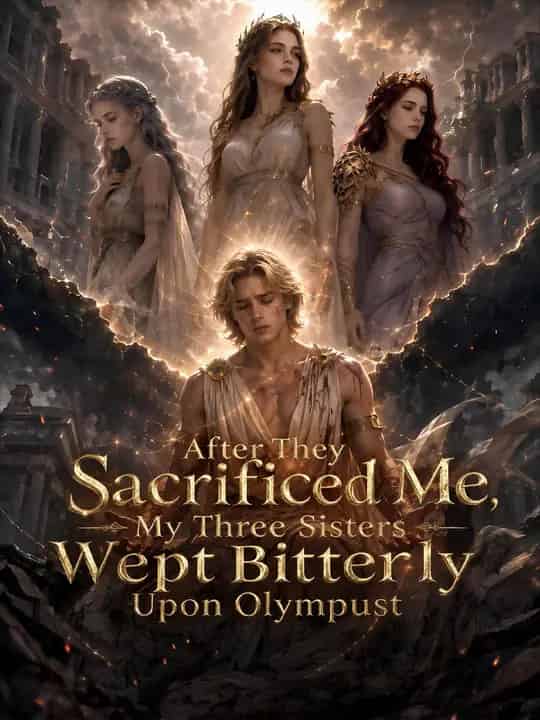
Silas is a god raised by the three Fates, Clotho, Lachesis and Atropos, who weave fate and decide life and death. He has sworn to protect his sisters, and he has served them in their temple for years.
The Fates have foretold a dark force that will ruin the world, and they believe only a true warrior's life can banish it. Laius returns claiming to be their blood brother, and the sisters welcome him while Silas is treated as the outsider.
Silas has the sword he swore to wield for his sisters, and Laius is the one they now call their brother.
Episodes
31How does After They Sacrificed Me, My Three Sisters Wept Bitterly end?
Spoiler: shows the ending
In the last episode the sisters see him again after a thousand years and know his face. He tells them he is Poseidon, God of the Sea, and that he has never met them. The brother they gave up their power to bring back is now a god who does not know who they are.
Episode guide
- Episodes 1–4
Silas tells his sisters, the three Fates Clotho, Lachesis and Atropos, that he will give his life to end the dark force they have foretold, and he asks for three days and total secrecy. When that time nears he is found badly hurt and drained of his divine power, and Laius, the warrior who has returned, comes in hurt too. Laius tells the sisters he alone went into the frozen wasteland for sacred moss to heal Lachesis, whose leg is crippled, and the sisters believe him. Silas says the moss is his, and he is dragged out of the healing chamber; then word comes from Hades that the sacrifice has been found, and the sisters plan a feast.
- Episodes 5–9
Silas quarrels with Laius over the sisters' gift, which is broken, and Laius says Silas did it. Silas refuses to kneel to apologize for something he did not do, so they agree to settle it with a duel, where the loser kneels and the winner keeps the gift. Silas loses the duel, and when he attacks Laius the sisters sentence him to a hundred blade strikes for attacking with cruel intent. The strikes are carried out over several days, Laius drops the demand for a kneeling apology, and the sisters tell Silas he must attend the feast.
Frequently asked questions
Does Silas die in the end?
No. Hades says he is gone for good, but the sisters pull him back out of the void in episode 28 with his mind gone, and in episode 31 he is Poseidon, God of the Sea.
Is Laius the sisters' real blood brother?
No. Once the memory stone and the dark aurora expose him in episodes 21 to 24, the sisters call him a fiend and a fake.
Why do the sisters banish Silas from Olympus?
Because they believe he summoned hellfire to hurt them at the feast in episode 10, and they never let him explain himself.
Who really picked the sacred moss?
Silas did. Laius admits in episode 17 that he lied, and in episode 18 he says he took the moss from Silas after Silas killed the giant serpent in the frozen abyss.